


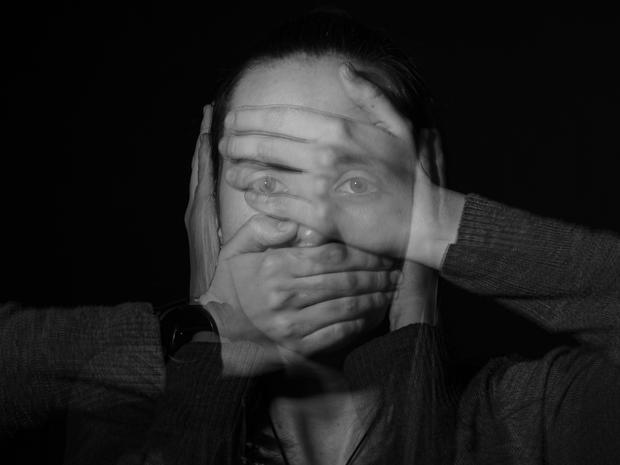


What are anxiety disorders?
Anxiety disorders are a group of mental health conditions characterized by excessive fear, worry, or nervousness that is difficult to control and persists over time. Unlike ordinary anxiety, which usually fades once a stressful situation passes, anxiety disorders can continue even when there is no immediate threat.
These conditions may affect work performance, relationships, sleep, physical wellbeing, and overall quality of life. Anxiety disorders are among the most common mental health challenges worldwide, affecting people of different ages, backgrounds, and lifestyles.
While each anxiety disorder has its own characteristics, they all involve a heightened sense of danger or concern that feels overwhelming compared to the actual situation.
When does normal anxiety become a problem?
Anxiety itself is not harmful. In fact, it serves an important purpose. It helps the brain recognize potential risks and prepare for action.
The challenge begins when anxiety becomes:
- Persistent and difficult to manage
- Disproportionate to the situation
- A source of significant distress
- An obstacle to everyday activities
- A reason to avoid people, places, or responsibilities
A person may spend hours worrying about future events, constantly seek reassurance, or avoid situations that trigger fear. Over time, these patterns can create a cycle that reinforces anxiety rather than reducing it.
Normal anxiety vs. anxiety disorder
Normal anxiety tends to be temporary and connected to a specific challenge. Once the situation passes, the nervous system gradually returns to its usual state.
An anxiety disorder often involves:
- Frequent worry that feels difficult to stop
- Physical symptoms without a clear medical explanation
- Ongoing fear of future problems
- Avoidance of situations perceived as threatening
- Symptoms that interfere with daily life
The difference is not simply the presence of anxiety but its intensity, duration, and impact.
Common types of anxiety disorders
Several conditions fall under the category of anxiety disorders.
- Generalized Anxiety Disorder (GAD) involves excessive worry about various aspects of life, such as health, finances, work, or family.
- Panic Disorder is characterized by recurring panic attacks and fear of experiencing additional attacks.
- Social Anxiety Disorder involves intense fear of social situations, judgment, embarrassment, or rejection.
- Specific Phobias involve strong fear responses to particular objects or situations, such as heights, flying, or certain animals.
- Separation Anxiety Disorder can affect both children and adults and involves excessive fear related to separation from loved ones.
Although these conditions differ, they often share common emotional and physical symptoms.
What are the most common symptoms of anxiety disorders?
Anxiety disorders can affect the mind and body simultaneously. Many people are surprised to discover how physical anxiety can feel.
Symptoms may vary from person to person, but several patterns appear frequently.
Emotional and mental symptoms
Psychological symptoms often include:
- Excessive or uncontrollable worry
- Persistent feelings of fear
- Difficulty relaxing
- Irritability
- Racing thoughts
- Difficulty concentrating
- A sense that something bad may happen
- Feeling constantly "on edge"
Some people describe anxiety as having a mind that never fully switches off.
Physical and behavioral symptoms
The body's stress response can create a wide range of physical sensations, including:
- Rapid heartbeat
- Muscle tension
- Sweating
- Trembling
- Dizziness
- Shortness of breath
- Chest discomfort
- Nausea or stomach upset
- Fatigue
- Sleep difficulties
Behavioral signs may include:
- Avoiding certain situations
- Seeking reassurance repeatedly
- Withdrawing from social activities
- Procrastination driven by fear
- Difficulty making decisions
These symptoms can sometimes mimic medical conditions, which is why professional assessment is really important.
What causes anxiety disorders?
There is rarely a single cause behind an anxiety disorder. Instead, anxiety tends to develop through a combination of factors that interact over time.
Biological influences
Genetics can play a role. People with a family history of anxiety or other mental health conditions may have a higher likelihood of developing anxiety disorders themselves.
Brain chemistry and nervous system sensitivity may also contribute. Some individuals naturally respond more strongly to stress and uncertainty.
Psychological factors
Certain personality traits are associated with increased anxiety risk.
Examples include:
- Perfectionism
- High sensitivity to criticism
- Strong need for certainty
- Tendency toward overthinking
- Difficulty tolerating uncertainty
Past experiences can also shape how a person responds to future challenges.
Environmental and life experiences
Stressful or traumatic events may increase vulnerability to anxiety disorders.
Examples include:
- Childhood adversity
- Bullying
- Relationship difficulties
- Financial stress
- Chronic illness
- Major life transitions
- Loss of a loved one
Not everyone exposed to these experiences develops an anxiety disorder, but they can contribute to its development.
Why anxiety can feel so physical?
Many people seek medical help because of physical symptoms before realizing anxiety may be involved. When the brain detects a threat, it activates the body's fight-or-flight response. This response releases stress hormones that prepare the body for action.
As a result, a person may experience:
- Faster breathing
- Increased heart rate
- Muscle tightening
- Sweating
- Heightened alertness
These reactions are useful during genuine danger. However, when the system becomes activated too frequently or too intensely, physical symptoms can appear even in relatively safe situations. Understanding this connection often helps people feel less frightened by the sensations themselves.
How are anxiety disorders diagnosed?
Anxiety disorders should be diagnosed by a qualified healthcare professional, psychologist, psychiatrist, or other licensed mental health provider.
Assessment typically involves:
- Discussing symptoms and concerns
- Reviewing their duration and severity
- Exploring personal and family history
- Evaluating how symptoms affect daily functioning
- Considering possible medical explanations
In some cases, medical tests may be recommended to rule out physical conditions that can resemble anxiety symptoms. A professional assessment helps ensure that treatment recommendations are appropriate and tailored to the individual's situation.
Treatment for anxiety disorders: what actually helps?
Effective treatment is available, and many people experience meaningful improvement with appropriate support. The most suitable approach depends on the person's symptoms, preferences, medical history, and overall circumstances.
Therapy for anxiety disorders
Psychological therapy is often one of the most effective forms of support.
- Cognitive Behavioral Therapy (CBT) helps individuals identify and challenge thought patterns that contribute to anxiety.
- Exposure-based approaches gradually help people face feared situations in a safe way, reducing avoidance over time.
- Acceptance-based therapies focus on developing a healthier relationship with anxious thoughts and emotions rather than constantly trying to eliminate them.
For individuals with a history of trauma, trauma-informed therapeutic approaches may also be beneficial.
Medication and medical support
Medication may be recommended for some people, particularly when symptoms are severe, persistent, or significantly disruptive.
A doctor or psychiatrist can discuss:
- Potential benefits
- Possible side effects
- Expected timelines
- Alternative treatment options
Medication is not necessary for everyone, but it can be a useful part of treatment for some individuals.
What can support recovery in everyday life?
Professional treatment is often complemented by healthy daily habits that support emotional regulation and stress management.
Helpful strategies may include:
- Maintaining a consistent sleep schedule
- Engaging in regular physical activity
- Practicing relaxation or breathing exercises
- Limiting excessive caffeine intake
- Spending time with supportive people
- Developing realistic routines
- Taking breaks from constant news or social media exposure
- Using journaling to identify worry patterns
Another helpful step is reducing avoidance gradually. Although avoiding anxiety-provoking situations may bring short-term relief, it often strengthens anxiety in the long run.
Small, manageable steps are usually more effective than trying to overcome fears all at once.
When should you seek professional help?
It may be time to seek support when anxiety:
- Persists for weeks or months
- Causes significant distress
- Interferes with work, school, or relationships
- Leads to avoidance of important activities
- Disrupts sleep regularly
- Contributes to panic attacks
- Encourages unhealthy coping behaviors such as substance misuse
Seeking help is NOT a sign of weakness. It is often an important step toward understanding what is happening and learning more effective ways to respond.
If anxiety is accompanied by thoughts of self-harm, hopelessness, or concerns about personal safety, immediate support from a qualified mental health professional or emergency service is highly recommended.
FAQ
What is the difference between anxiety and an anxiety disorder?
Anxiety is a normal emotional response to stress or uncertainty. An anxiety disorder involves persistent, excessive anxiety that causes distress and interferes with daily functioning.
What are the first signs of an anxiety disorder?
Early signs may include constant worry, difficulty relaxing, irritability, sleep problems, racing thoughts, and physical symptoms such as muscle tension or a rapid heartbeat.
Can anxiety cause physical symptoms?
Yes. Anxiety can contribute to symptoms such as sweating, dizziness, stomach discomfort, chest tightness, fatigue, trembling, and shortness of breath.
Are anxiety disorders treatable?
Yes. Many people benefit from therapy, lifestyle changes, stress-management techniques, and, in some cases, medication prescribed by a healthcare professional.
What therapy is commonly used for anxiety disorders?
Cognitive Behavioral Therapy (CBT) is one of the most widely used and researched treatments for anxiety disorders. Other approaches may also be helpful depending on individual needs.
Can anxiety disorders go away on their own?
Some symptoms may improve over time, but persistent anxiety often benefits from professional support. Early intervention may reduce the impact of symptoms and improve quality of life.
Is medication always needed for anxiety disorders?
No. Many people improve through therapy and self-management strategies alone. Medication may be helpful in certain situations and should be discussed with a qualified healthcare professional.
 Kopiuj link